Inverters come in all shapes and sizes and getting the right one for your project is important to the performance and functionality of your system. With many manufacturers out there all fighting for your attention it can be overwhelming when picking the right product for your energy profile and system.
Here is a brief guide on what they do to hopefully help you make the right choice.
What is a solar inverter?
A solar inverter is the brain of the system which converts DC electricity that is generated from your solar panels into AC electricity that is use in your property. AC electricity is what you have been buying from the national grid and powers all your appliances in your property.
Types of solar inverter
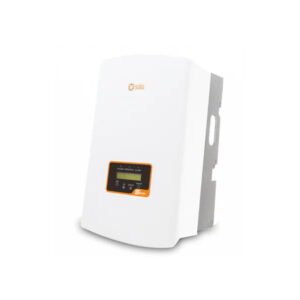
String Inverter
Your solar panels are divided into strings. These strings are designed and installed so panels which are on the same pitch and orientation are grouped together. A string inverter will manage these strings and convert the DC generated power into AC which is used in your property.
These inverters are used to manage your solar panel generation only.
Example
Datasheet: Solis S6 2.5k – 6K
Micro Inverters
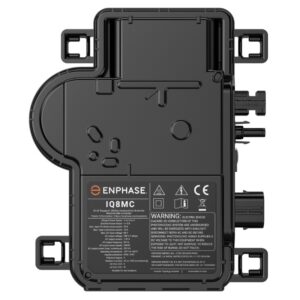
Micro inverters are an alternative to string inverters. Micro inverters are a small inverter which is connected to one panel and does the conversion locally to the panel. AC power is then run from a group of Micro inverters (1 for each panel) into the mains ready to be used in your property.
These inverters are great for complex roof spaces where many orientations and roof pitches. It also helps with shading.
Generally a micro inverter is needed for each panel so this can be quite an expensive option.
Example
Datasheet : Enphase IQ7 & IQ7 plus
AC Coupled
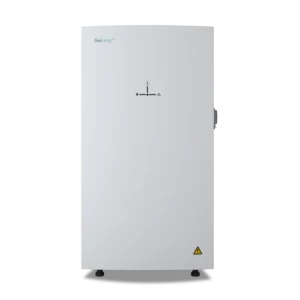
AC coupled inverters are mainly used in battery only installations or installations where a solar array with a string inverter is already installed. An ac coupled inverter/battery system will manage the AC flow of electricity in your property. Its measures your solar generation, Battery state of charge and property consumption to reduce reliance on the grid.
This system will allow you to take advantage of time of use tariffs so you can charge your battery off the grid during off peak times giving you access to cheap grid electricity throughout the day.
Examples
Datasheet: Givenergy All in One AC Coupled
Hybrid Solar Inverters
A hybrid inverter is by far the most popular option out there now. A hybrid inverter will manage you solar generation, battery state of charge and time of use tariffs all in one unit. It measures the usage in your property much like the AC couple inverter to optimise the different aspects of the system for the biggest possible saving on your electricity bills.
Having everything in one unit means you will have all your data in one app giving you an instant snapshot of the power flow in your property.
Batteries are normally connected directly to this inverter along with the solar strings. Manufacturers often offer an array of battery options giving you the flexibility to build a suitable storage capacity. Adding batteries to your system later is also easy.
Examples
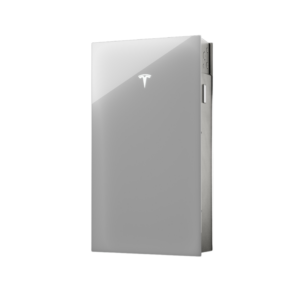
Datasheet: Tesla Powerwall 3
At Helios we pride ourselves on designing each system individually not taking 1 size fits all approach to our installations. We take care over picking the right components for your system and give you the best advice based on over a decade of knowledge and experience. Get in contact now to speak to one of our design experts.